
 Deutsch
 Español
 Français
 Italiano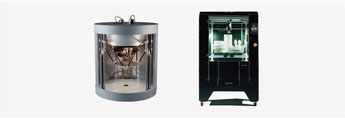
General introduction
Use cases
From unique parts to series.
General introduction
Pam 3D printers provide tangible and scalable benefits to its users. See how you can take advantage of this additive manufacturing solution.
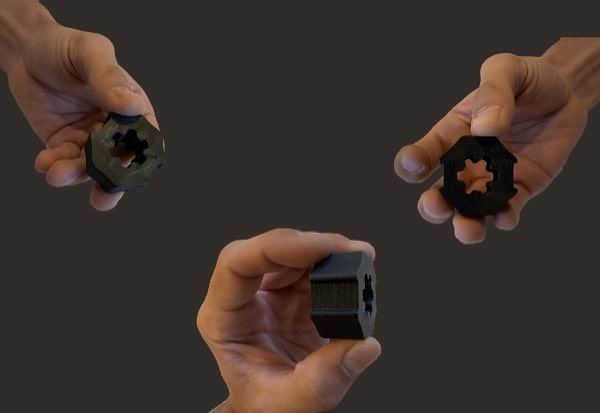
The openness of Pam 3D printers to materials gives it a number of competitive advantages. Indeed, the possibility of using industrial materials compatible with conventional means of production allows its users to produce right material prototypes, small and medium series in coherence with mass production.
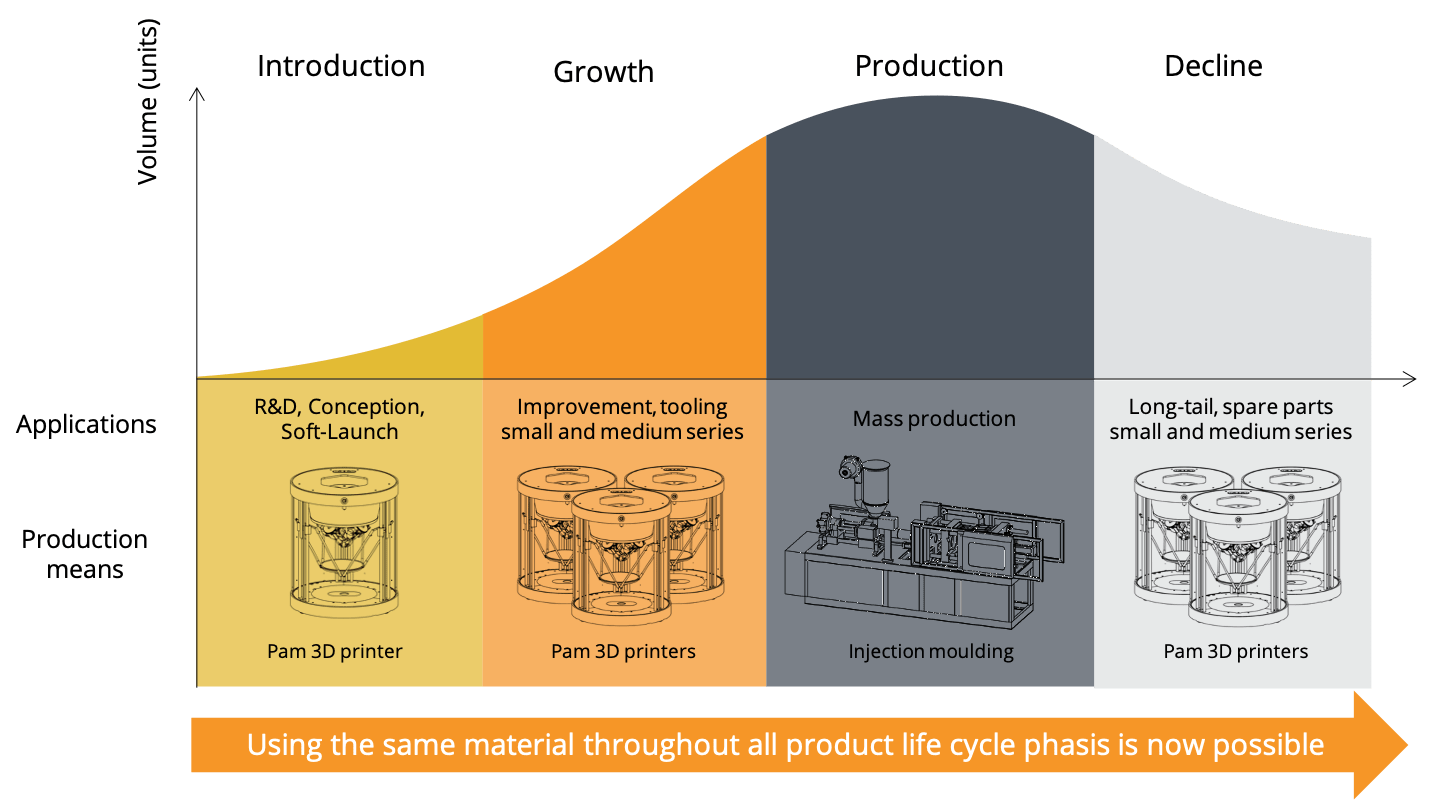
Moreover, this feature makes it possible to use materials approved and standardized by industries. It is possible to use materials that meet fire, smoke, skin and food contact standards, for example.
Pam 3D printers are used for:
- Material R&D;
- Toolings;
- Right material prototyping;
- Small series.
Explore all use cases
Decathlon
View use case
Right-material prototyping for sports equipment, validated with Decathlon.
3D printing Copper
View use case
Pure Copper 999 parts printed with PAM for high conductivity.
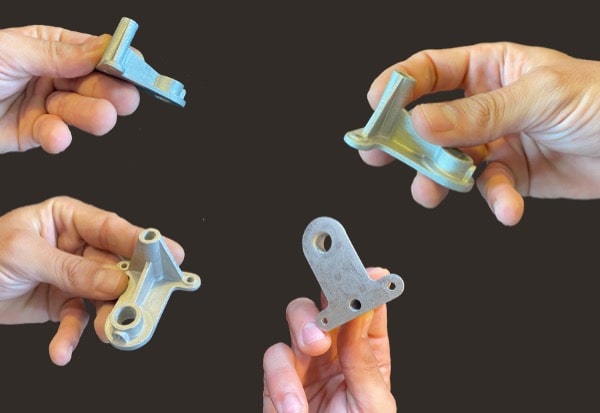
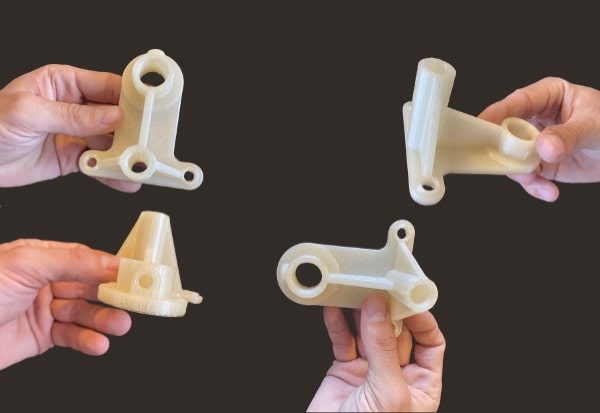
Brake handle
View use case
A medium-batch brake handle produced directly in the final material.
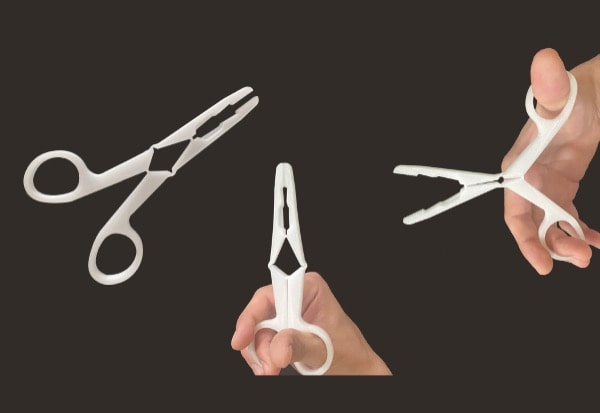
Hose clamp
View use case
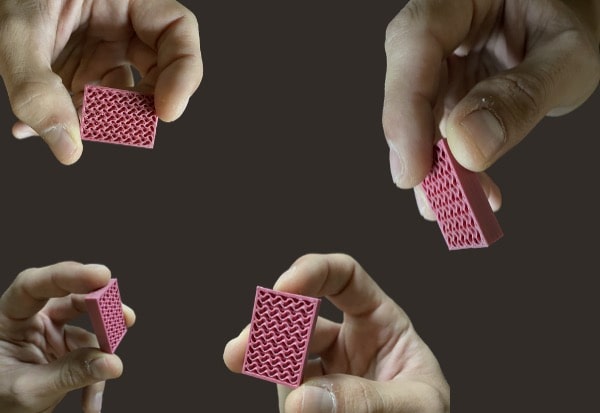
A medium-batch hose clamp, produced without any tooling costs.
Assembly tools production
View use case
Custom assembly tools produced faster and cheaper with PAM.
Orthopaedic insole
View use case
Fully customized orthopaedic insoles, tailored to each patient.
Automotive spare parts
View use case
On-demand automotive spare parts, produced without stock.
Cosmetic packaging
View use case
On-demand cosmetic packaging, produced in the final material.
Focus on KPIs
View use case
Key performance indicators for medium-batch production.
Technical Ceramics - FFF vs PAM
View use case
Technical ceramics compared: FFF filament vs PAM pellet printing.
Metal alloys - FFF vs PAM
View use case
Metal alloys compared: FFF filament vs PAM pellet printing.
Filled material
View use case
Filled and reinforced materials processed with PAM technology.
RHEON™ NFL Helmet
Get the case study
30% lighter NFL helmet components, 3D printed with RHEON™ P3D 001.
Let’s dive into the possibilities offered by PAM
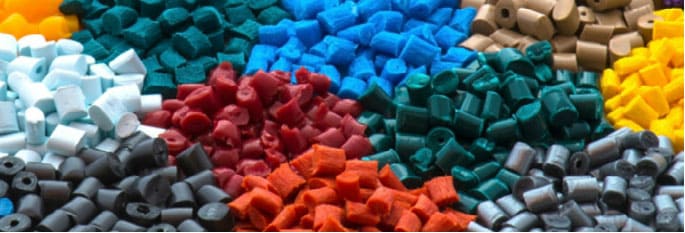
From pellets to object, PAM technology offers the most direct process to high performances end-parts.
Metals Ceramics Commodity Elastomers Performance High Performance.